
1. Goals and principles
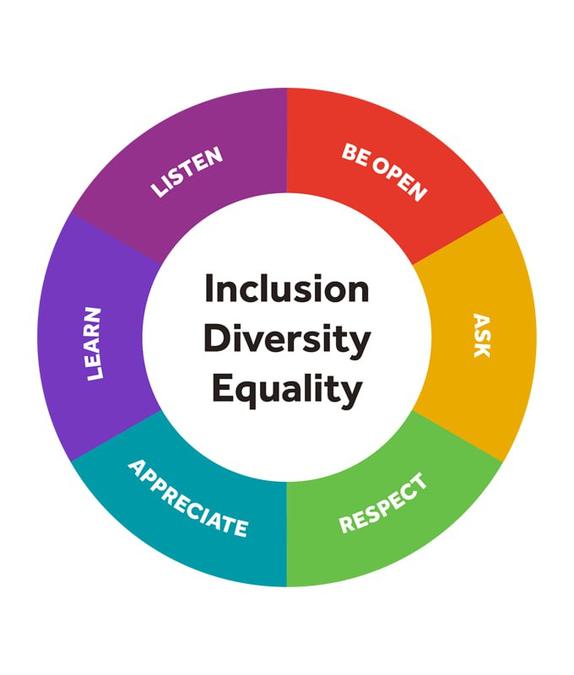
TSUE is a university that celebrates diversity and welcomes everyone. Through our teaching, research, and engagement, we strive to build a more inclusive, sustainable, equitable, and healthy world.
Our core values-Progressive, Compassionate, and Responsible-shape this mission. By embodying these values, we create a safe and positive learning environment, cultivating a culture where every member of our community can be authentic and take pride in being part of TSUE.
At TSUE, diversity, inclusion, and equal opportunity are core to how we engage with students, applicants, visitors, and all stakeholders. We are fully committed to offering a supportive, safe learning environment where everyone is treated with dignity and respect—one that is fair, diverse, and inclusive; based on mutual respect and trust; and where bullying, harassment, sexual misconduct, discrimination, and victimization are neither tolerated nor accepted.
This commitment guarantees that all students can reach their full potential, regardless of age, disability, sex, marital status, pregnancy or maternity, race, religion or belief, ethnic or national origin, family circumstances, nationality, political beliefs or affiliations, socio-economic background, or any other characteristic protected by the laws of the Republic of Uzbekistan and its international agreements.
The Department of World Economy and International Economic Relations is dedicated to fostering an inclusive and diverse educational environment. Our core principles focus on providing equal access, opportunities, and full participation for all students, including those with disabilities. The main goal is to build a supportive academic and social community where every student can flourish, reach their potential, and contribute to the global economy. This involves cultivating a culture of respect, understanding, and proactive support tailored to each individual's needs. To achieve this, the department has established strong collaboration with Mara University of Technology, which employs some of the world's leading methods for teaching students with disabilities. A new center will open in 2026 to assist students with disabilities, overseen by an associate professor from the department who is also visually impaired.
2. Responsibilities and accountability
Responsibility for putting inclusion policies into practice is a collaborative effort between the department and the university. This includes:
- Department Leadership: Guaranteeing policies are correctly created, financed, and executed.
- Faculty and staff: Continuous training in inclusive teaching techniques and offering essential academic accommodations.
- The student union-Youth Union: Serves as the main point of contact for students with disabilities, organizing accommodations and offering guidance.
- Students: Maintain a respectful community by reporting any issues or discriminatory behavior.
Accountability is maintained through regular policy reviews and feedback systems that involve students with disabilities in the evaluation process.
3. Ease of admission and benefits
The department offers a welcoming admissions process for prospective students with disabilities, aiming to remove barriers to entry. The university provides a valuable opportunity for financial aid. Prospective students with disabilities who score 57 points or higher on the national university entrance exam (out of a maximum of 190 points) will be automatically accepted into a scholarship program that covers all tuition fees. This initiative intends to provide significant financial support, making higher education more accessible and affordable for a talented group of students with disabilities.
4. Opportunities related to the teaching process
To ensure a successful learning experience, the department provides various opportunities related to the teaching process.
- Academic Accommodations: We offer tailored provisions such as extended exam times and flexible submission deadlines.
- Prioritized Professor Support: Professors are trained to prioritize questions and requests from students with disabilities, both during class and immediately afterward. This ensures that their academic needs are addressed quickly and effectively.
- Reduced Fees for Retakes: Students with disabilities needing to retake an exam on the Hemis platform will not be charged a fee, unlike other students who must pay. This policy aims to reduce financial barriers and assist students in their academic pursuits.
5. Conditions created to ensure the movement of students with disabilities to educational buildings, administrative buildings, and the campus
Key facilities and accessibility
The Department of World Economy and International Economic Relations is located on the 4th floor of the first building, which also houses the School of Management and the School of Economics. A convenient elevator is available for students with disabilities to easily access the department and move between floors.
To minimize travel to other buildings, the first building features a café and a shop. All classes for students with disabilities are held on the 3rd or 4th floor. Additionally, the Registrar's Office, which manages academic affairs, is also on the 4th floor, creating a convenient and centralized environment for students.
6. Accessible restrooms
We have identified the lack of accessible toilets in our building as a major obstacle. As part of our joint project with Mara University of Technology, we are actively working to address this issue.
A key part of the plan for the new center for disabled students, which is scheduled to open in 2026, includes building a fully accessible toilet. We are committed to providing dignified access to facilities for all students.
7. Living opportunities in university dormitories
The university aims to provide accessible and comfortable housing for all students. Demonstrating strong support for students with disabilities, the department ensures their stay in the TSUE dormitory is completely free. This initiative seeks to eliminate financial barriers and promote a supportive living environment, allowing students to focus fully on their studies.
8. System of Financial Support
The university offers a comprehensive support system for students with disabilities. This includes a monthly stipend of between 2 and 4 million soums, paid every five months. Additionally, students receive free tickets to concerts and gifts from the Kasaba Uyushmasi (Trade Union) during national holidays like New Year and Eid al-Fitr. During Ramadan, the World Economy and International Economic Relations department also provides free fasting dinners to all students with disabilities.